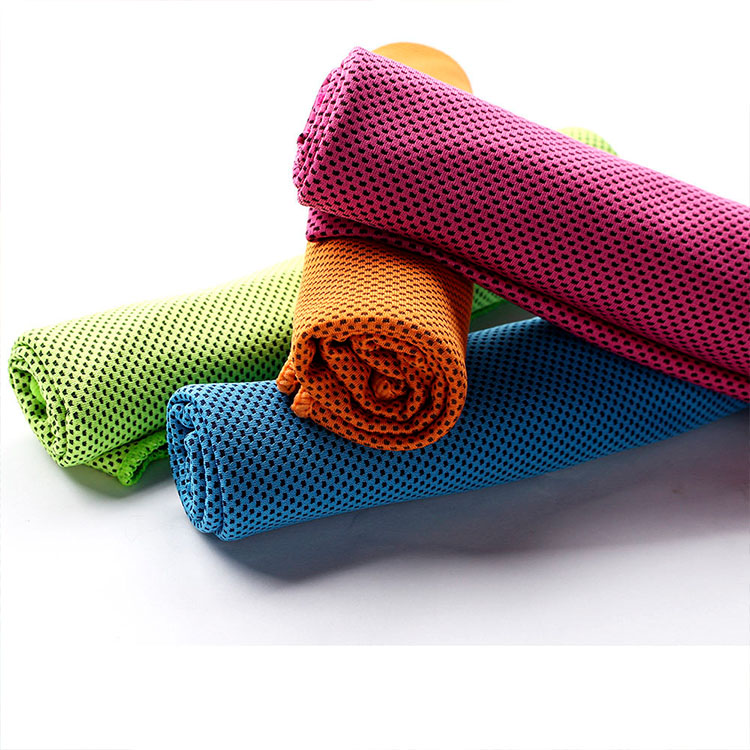
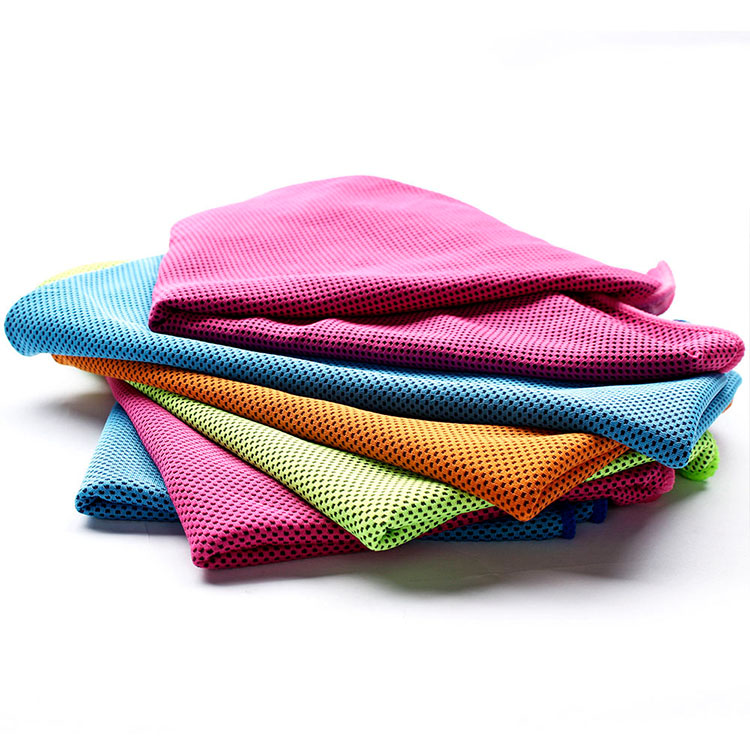
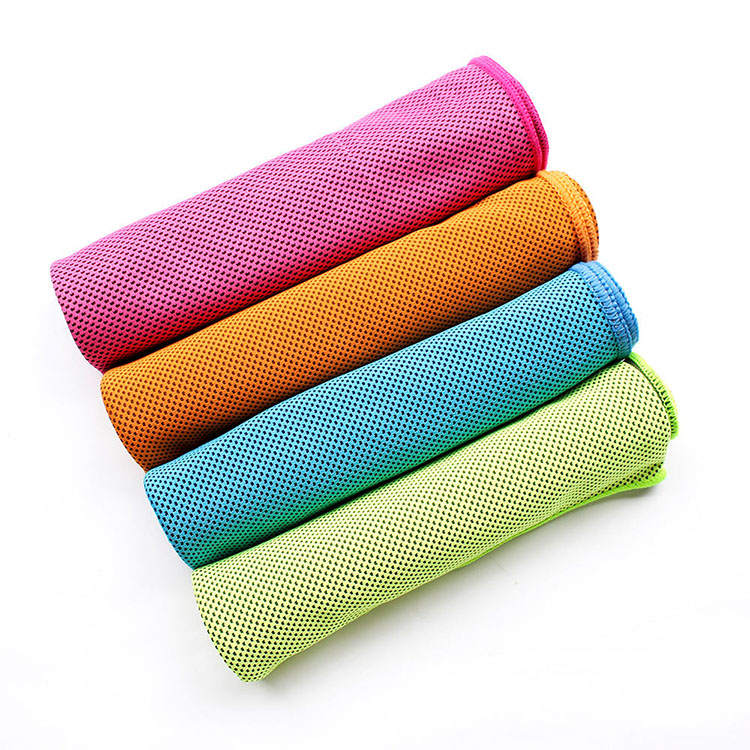
Cooling Towels for Marathon, Cycling, and Outdoor Brands
Cooling towels are not lazy promo merch anymore. For marathon, cycling, and outdoor brands, the winners will be the ones that spec for heat, usage, branding, and reorder logic instead of chasing the cheapest fabric on the page.
I’ve watched too many buyers shave a few cents off a unit, blow up the logo, ignore the hand feel, and then act surprised when their “premium” cooling towel turns into damp advertising at mile 18, on a race barrier, or under a July expo tent, which is why I think this category rewards discipline far more than creativity.
Who remembers the savings when the product fails in public?
The CDC says people who work outdoors are more likely to become dehydrated and suffer heat-related illness, while OSHA’s proposed federal heat rule, published on August 30, 2024, would require covered employers to create plans to evaluate and control heat hazards; not because the government suddenly loves towels, but because heat management is moving out of the “nice extra” bucket and into documented operating practice. That shift changes how outdoor brands, event operators, guide services, and promotional buyers think about any product sold as a cooling aid.
But I’m not going to oversell it.
A cooling towel is not a magic performance device, and I distrust copy that hints otherwise, yet a 2024 systematic review and meta-analysis found that precooling improved endurance performance in the heat, with external precooling showing stronger effects, especially in running-based performance; to me, that means the category is real, but brands still need the honesty to separate “helpful evaporative support” from “instant elite performance tech.”
That distinction matters because most buyers searching for microfiber cooling towels or an evaporative cooling towel are really asking a sharper question: what will feel good, reactivate fast, print cleanly, survive distribution, and earn a reorder? I’ve seen mediocre towels win samples and lose reorders because they felt fine in a meeting room but awful in actual heat. That gap is where most bad sourcing decisions live.
They are not buying a towel. They are buying finish-line recovery, expo-bag usefulness, volunteer comfort, sponsor visibility, and that awkward five-minute window after the race when a participant decides whether your brand gave them something useful or gave them landfill. For that reason, I’d route marathon-intent traffic first to sports cooling towels for teams and events and then to cooling towel sets for events, because the site’s own language already frames those pages around races, tournaments, event crews, swag bags, and large-scale distribution.
Cycling buyers are harsher.
And they should be, because cyclists notice bulk, re-wetting behavior, packability, and whether the thing feels like gear or like a freebie handed out by an insurance sponsor, so I would lean into custom printed towels for sports teams when the play is club identity, event branding, or sponsor exposure, then keep sports cooling towels for teams and events close by for buyers who care more about operation than aesthetics.
Outdoor brands are the easiest to fool and the hardest to keep.
Why? Because “outdoor” is where buyers most often confuse rugged storytelling with product performance, and a towel that feels flimsy, overprinted, or weirdly slick will get punished fast by hikers, campers, guides, and summer festival users. That is why the most natural internal destination here is instant cooling towels for outdoor brands, backed by the broader travel and outdoor microfiber towels category when a reader wants a wider product family instead of a single cooling-focused SKU.
And then there is compliance.
I don’t think enough buyers talk about it because compliance sounds boring until a retailer, distributor, or EU customer asks for documentation two weeks before launch, but the site’s customization page explicitly mentions ISO 9001-aligned management, Regulation (EU) No 1007/2011 fiber-labeling alignment, and Candidate List/SVHC communication expectations above 0.1% w/w, which tells me the smartest internal bridge for commercial-intent readers is not just a product page but the custom logo and private label microfiber towels page where the buyer can move from fabric talk into packaging, labeling, testing, and reorder control.
Most brands still miss the obvious point: the best cooling towels for runners are not automatically the best cooling towels for cycling clubs, outdoor retailers, or event organizers. Same category. Different job. And once you accept that, the content strategy gets simpler and the internal links stop feeling forced.
Buyer segment
What the towel really needs to do
My starting spec bias
Best internal path
Mistake that kills reorders
Marathon events
Cool the neck fast, fit swag bags, survive mass handout
30×80 cm, light-to-mid weight, simple branding, individual pack-out
Giant logo, weak cooling feel, no distribution logic
Cycling clubs and race crews
Reactivate quickly, travel light, feel like gear not promo junk
Slim profile, fast re-wet, restrained print area
Sports cooling towels → custom printed team towels
Thick fabric that stays soggy
Outdoor brands
Earn trust in real heat and pack small
Compact fold, clean branding, durable repeat use
Instant cooling towels → travel & outdoor towels
Overstyled towel with poor real-world feel
Sponsor activations and expos
Hand out fast, brand clearly, scale across dates
Set-based kitting, event-ready packaging, color consistency
Cooling towel sets for events
No kit system, no replenishment plan
Private label buyers
Lock specs, labeling, packaging, and repeat orders
Spec sheet first, artwork second
Customization page
Treating a repeat-order SKU like a one-off giveaway
My opinion is blunt: custom cooling towels for outdoor brands should be built backward from use, not forward from decoration. Start with where the towel lives—finish chute, feed zone, team bus, trail kiosk, summer festival, guide pack—then decide the GSM, dimensions, print method, and packaging. Reverse that order and you get beautiful samples and ugly sell-through.
So how should you think about how to use cooling towels for outdoor sports? Not romantically. Use them as low-complexity, high-utility heat accessories that can be soaked, wrung, snapped, and reapplied during breaks, queue time, transit, or post-effort recovery. They are especially strong when they bridge the gap between “no cooling support” and “expensive technical cooling system.” That middle ground is where most commercial wins happen.
I’ll go one step further: if I were building this article to rank and convert, I would keep the keyword center on cooling towels, use marathon cooling towels and cycling cooling towels inside the demand paragraphs, fold microfiber cooling towel and evaporative cooling towel into the product-explanation sections, and reserve custom cooling towels for outdoor brands for the commercial paragraphs where brand, packaging, and OEM intent become explicit. That is how you keep the piece useful for search and believable for actual buyers.
FAQs
What are cooling towels? Cooling towels are reusable evaporative fabric towels, usually made from synthetic performance textiles such as microfiber, that create a temporary cooling sensation when soaked, wrung out, and exposed to airflow, making them practical for runners, cyclists, outdoor staff, and consumers who need simple heat relief during or after activity. In plain English, they are a low-tech cooling aid, not a medical device and not a replacement for hydration, shade, or formal heat protocols.
Are cooling towels good for marathon runners? Cooling towels are lightweight heat-management accessories for runners that help provide short-term surface cooling during waiting periods, warm-ups, post-race recovery, or aid-station use, which is why they fit marathon expos, finish-line kits, volunteer stations, and sponsor giveaways better than many heavier or more expensive cooling products. I like them most when brands treat them as practical recovery support, not miracle race-performance gear.
What makes the best cooling towels for runners and cyclists? The best cooling towels for runners and cyclists are the ones that reactivate quickly, feel comfortable on the neck or forehead, stay portable when wet, print cleanly without becoming stiff, and match the actual use case—race, team travel, expo, or club distribution—rather than chasing oversized branding or bargain-basement fabric. I’d choose utility over visual drama every single time.
How do you use cooling towels for outdoor sports? Using cooling towels for outdoor sports means soaking the towel with water, wringing out the excess, snapping or shaking it to help evaporation, and then applying it to high-comfort areas like the neck, shoulders, or forehead during breaks, transitions, event downtime, or post-effort recovery in warm conditions. The method is simple; the mistake is waiting until someone is already overheating.
Should outdoor brands choose custom printed towels or gift sets? Custom printed towels are branded cooling or performance towels built for logo visibility and repeat identity, while gift sets are bundled formats designed for easier event distribution, retail presentation, or sponsor activations, so the better choice depends on whether your priority is individual brand exposure or operationally clean handout and packaging. I’d choose prints for teams and clubs, sets for races and mass events.
Microfiber towel manufacturer & factory for custom, OEM, and private label programs. Focused on repeatable B2B supply for USA & EU markets (plus selected Asian countries).