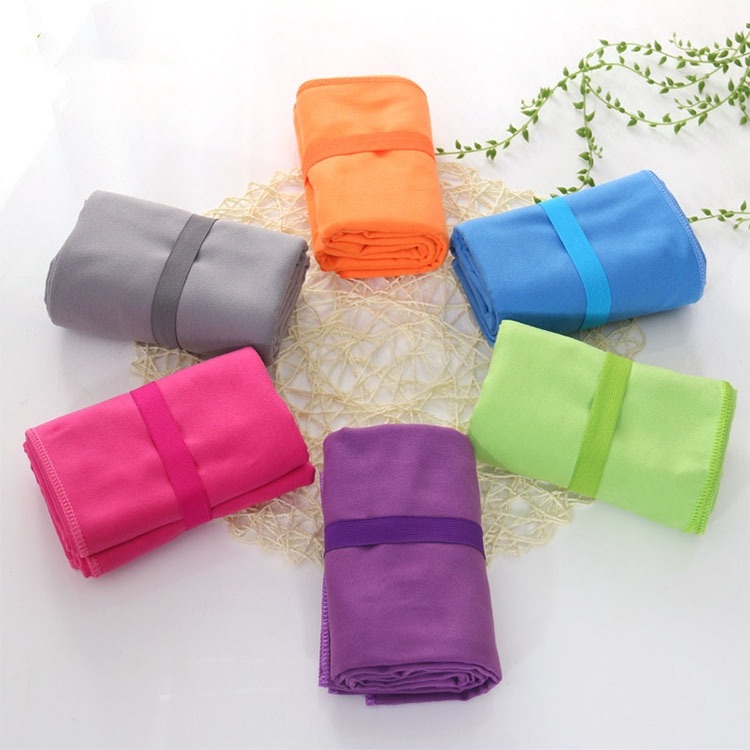
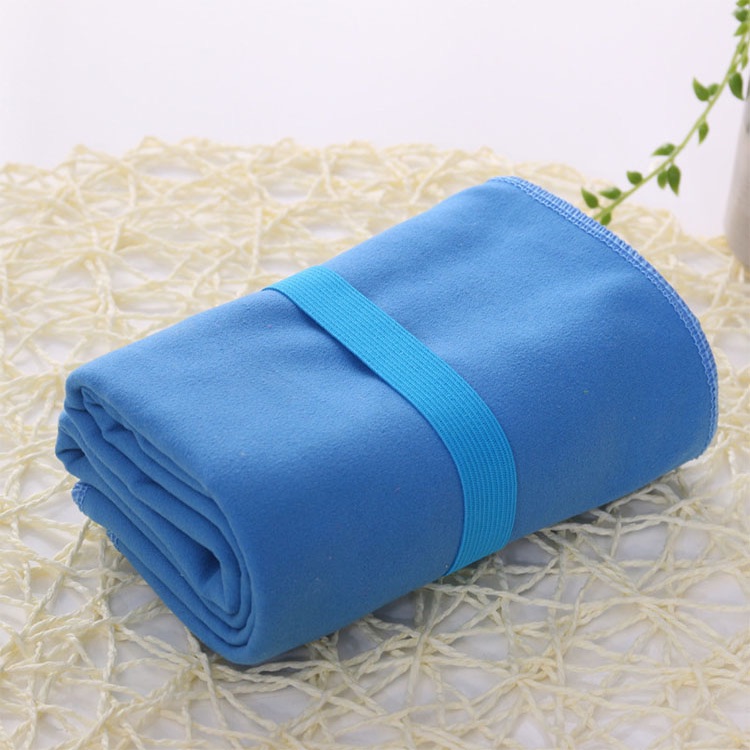
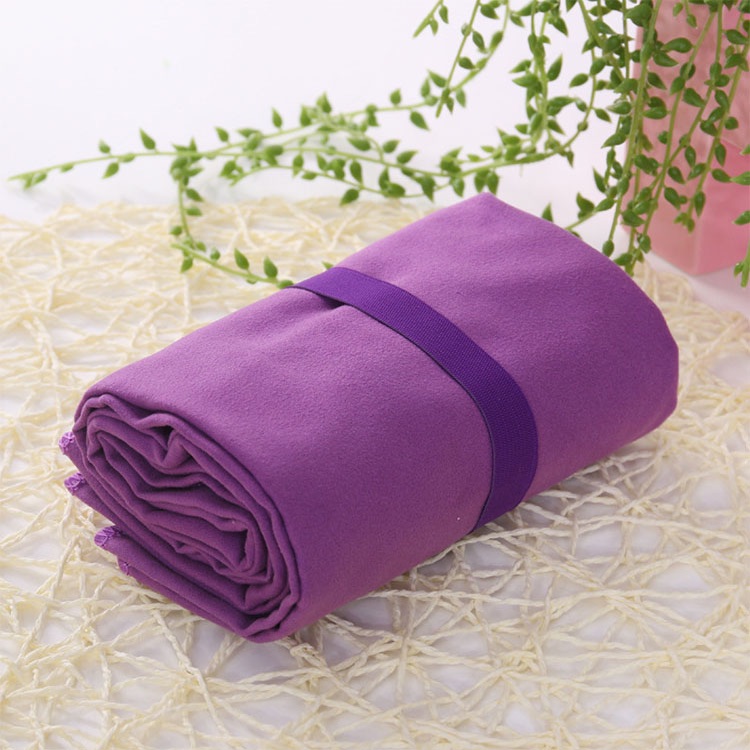
How Distributors Can Build a Reorder-Friendly Microfiber Towel Line
Most wholesale microfiber towels programs fail for dull, expensive reasons. Not competition. Not branding. Spec drift, packaging drift, weak labeling discipline, and too many barely-different SKUs. I’d fix those first.
I’ve watched too many distributors launch bulk microfiber towels with the energy of a trade-show pitch and the discipline of a garage sale, which means the first PO looks polished, the second arrives with small spec changes nobody admitted to, and the third triggers the real verdict when buyers notice the hand-feel changed, carton counts drifted, or the “same” SKU no longer behaves the same on glass, paint, or stainless steel. Why pretend this business rewards theatrics?
The site behind this article is actually telling the truth, maybe more than most suppliers do: it organizes the range by application, function, and material, while pushing repeatable B2B supply, packaging-ready delivery, and standardized quality control instead of fake luxury language. That is the right instinct. A reorder-friendly microfiber towel distributor does not need a bigger catalog. We need a tighter one.
Table of Contents
The launch matters less than the second purchase
Specs beat slogans.
On March 20, 2024, Reuters reported that the NRF expected U.S. retail sales growth of just 2.5% to 3.5% in 2024, a reminder that buyers were working in a tighter demand environment, not a forgiving one, so any wholesale microfiber towels program that adds friction through returns, relabeling, or inconsistent performance is asking a cautious customer to subsidize avoidable mistakes. Why would they?
A reorder-friendly line usually has three jobs: a base replenishment cloth that moves in volume, a proof-point SKU that justifies better margins, and a simple bundled offer that helps the customer buy a routine instead of a random towel, because microfiber cleaning cloths sell best when the use case is obvious and the repeat decision is nearly automatic. Why do distributors keep confusing assortment with strategy?
The workhorse SKUs
For the core line, I would keep the structure boring on purpose: 16″ x 16″ and 16″ x 24″ formats, one dependable 80/20 polyester/polyamide blend, and a narrow GSM band such as 280 to 320 for routine cleaning. That is not me being timid. That is me refusing to let a microfiber towel supplier turn every reorder into a fresh science project.
The supplier’s cleaning microfiber towels page is aligned with that logic because it clusters heavy-duty, multipurpose, and bulk-pack cleaning SKUs instead of pretending every cloth deserves its own mythology. For distributors, that matters. Buyers reorder utility, not poetry.
The premium proof SKUs
Premium needs evidence.
A premium line only works when the claim is narrow enough to test, which is why I prefer a performance promise like faster water pickup, better lint control, or safer finishing on sensitive surfaces over mushy labels such as “elite” or “ultra,” and why I would pair high-absorbent microfiber towels with lint-free towels for glass and screens rather than stuffing everything into one inflated category. Isn’t it easier to reorder something your customer can verify in ten seconds?
For me, the premium tier should have locked inputs: weave family, edge finish, approved color set, GSM range, and one golden sample dated to the PO file. If the “same” commercial microfiber towels SKU changes from a tight glass cloth feel to a looser towel feel three months later, your premium promise dies on contact.
The table I’d force every microfiber towel supplier to fill out
Paperwork saves margin.
Most reorder failures are not mysterious; they happen when nobody wrote down what “the same SKU” is supposed to mean, so the sales team sells a promise, the factory fills in blanks, and the distributor discovers too late that size tolerance, blend, pile height, or pack-out rules were treated as flexible. Why leave your margin exposed to memory?
Recycled-content file, claim language, separate SKU logic
Account requirement
Greenwashing risk, substitution fights
The quiet killers: spec drift, packaging drift, and fake flexibility
Tiny changes hurt.
The homepage and customization pages keep repeating the right phrases: repeatable specs, packaging-ready fulfillment, carton-level labeling, repeat orders, and documentation support for USA/EU programs; that is not filler copy, that is the operating model a microfiber towel distributor should demand before approving any private label microfiber towels program. So why do so many teams still treat packaging as decoration rather than warehouse math?
Here is the hard truth I’ve learned: “custom” is often just another word for “undocumented.” I would use private label microfiber towel customization for brand elements, pack structure, hangtags, insert cards, and channel-specific labeling, but I would not let the underlying SKU mutate every time a buyer has a new mood. Brand expression belongs on the outside. Reorder trust lives in the spec sheet.
And I would audit the factory like I expect to be disappointed. The site’s factory-side manufacturing and quality-control page leans on scalable production, documented QC, and standardizing key specifications across fabrics and finishes. Good. That is exactly what a serious wholesale microfiber towels line needs, because if the plant treats each run as improvisation, your sales team is just selling future apologies.
Returns are the tax you pay for sloppy assortment design
Returns punish fantasy.
The NRF and Happy Returns said on December 5, 2024 that retailers expected 16.9% of annual sales to be returned in 2024, or about $890 billion, and while that number spans retail broadly rather than microfiber alone, the message for distributors is obvious: every vague claim, inconsistent carton, or drifting spec raises the odds that your customer decides it is cheaper to send your goods back than to keep explaining them. Surprised? You shouldn’t be. NRF’s 2024 returns report makes the macro pressure plain.
This is why I dislike bloated catalogs. A line with 18 nearly identical microfiber cleaning cloths may look impressive in a PDF, but in the field it breeds substitution, mis-picks, rep confusion, and eventually distrust. Fewer SKUs. Better defined. Reordered more often. That is the math.
Compliance is where weak private label programs get caught
The label matters.
The FTC says most textile products sold in the U.S. must disclose fiber content, country of origin, and the identity of the manufacturer or another responsible business, and its Textile Fiber Rule says those disclosures are not optional decoration but mandatory labeling information for covered goods. Why are so many distributors still acting as if customs paperwork and consumer labeling are the same thing?
The same goes for origin language. In July 2024, the FTC’s Made in USA guidance restated that an unqualified U.S.-origin claim generally requires the product to be “all or virtually all” made in the United States, which is a much tighter standard than many private label teams casually assume when they write packaging copy or sales sheets. That is not a branding problem. That is a legal one.
And let’s talk about eco claims, because this sector loves vague green language. The FTC’s Green Guides warn marketers away from broad, unqualified environmental benefit claims, so if you are pushing rPET, recycled polyethylene terephthalate, or “sustainable” microfiber cleaning cloths, keep the sustainability story inside its own documentation trail and its own SKU logic. I would rather sell fewer RPET recycled towels with clean paperwork than a bigger “eco” range built on wishful wording.
FAQs
What is a reorder-friendly microfiber towel line?
A reorder-friendly microfiber towel line is a tightly controlled assortment in which each SKU keeps the same functional spec, hand-feel, packaging logic, labeling structure, and replenishment role across purchase cycles, so buyers can reorder with low risk, fewer disputes, and cleaner inventory planning.
I would simplify that even further: it is a line your customer does not have to re-learn every quarter.
How should a microfiber towel distributor source wholesale microfiber towels?
Sourcing wholesale microfiber towels well means choosing a supplier that can document blend ratios, GSM bands, weave families, sample-to-bulk consistency, packaging standards, and export paperwork, while also showing how those controls stay stable during repeat production rather than only on the first attractive quote.
If the supplier cannot explain repeatability in plain language, I stop listening to the price.
What are the best wholesale microfiber towels for resale?
The best wholesale microfiber towels for resale are usually a narrow mix of high-turn cleaning cloths, one premium absorbent or lint-free performance SKU, and one simple kit or bundle format, because those three groups balance reorder frequency, margin potential, and channel flexibility without creating catalog chaos.
I do not believe most distributors need a giant opening assortment. They need three families that behave predictably.
Do private label microfiber towels create extra compliance risk?
Private label microfiber towels create extra compliance risk when the distributor controls packaging, claims, or origin language without maintaining records for fiber content, country of origin, responsible company identity, and any environmental or domestic-origin claims that appear on units, cartons, marketing pages, or sales materials.
Once your name is on the pack, “the factory handled it” stops being a serious answer.
How do I source wholesale microfiber towels without creating return problems?
Sourcing wholesale microfiber towels without return problems means locking the product around exact dimensions, blend ratios such as 80/20 or 70/30, GSM tolerance, weave type, edge construction, carton count, barcode placement, and approved claim language before the second purchase order is ever released.
Most returns start as undocumented exceptions. I try to kill the exceptions first.
Your next move
Cut the noise.
If I were running this category tomorrow, I would pick five things and do them this week: shrink the SKU tree, freeze the core specs, separate premium claims from generic claims, build one compliance file per SKU, and force the microfiber towel supplier to sign off on packaging and carton standards before the next PO. Why keep paying tuition to mistakes that already have names?
My closing opinion? The best wholesale microfiber towels for resale are rarely the flashiest ones. They are the ones that arrive in July exactly like they arrived in March.
Microfiber towel manufacturer & factory for custom, OEM, and private label programs. Focused on repeatable B2B supply for USA & EU markets (plus selected Asian countries).