How Many Microfiber Towels Does a Detailing Shop Use Per Day?
Most detailing shops use more microfiber towels than they think and manage them worse than they admit. Here’s the real daily range, the towel math behind it, and the spec-first way to stop wasting money.
I’ve been around enough service businesses to know that owners will track compound costs down to the ounce, argue over labor efficiency by six-minute blocks, then treat microfiber towels like cheap wallpaper, which is how a shop doing perfectly decent work ends up bleeding margin through rewash loads, premature towel death, scratched piano-black trim, and technicians quietly hoarding the “good ones” in their lockers. Sound familiar?
Here’s my straight answer: most detailing shops use 30 to 150 microfiber towels per day, and busy correction-and-coating shops can burn through 180 to 300 without trying very hard. A one-person mobile unit might stay in the 20 to 40 range. A multi-bay shop with ceramic work, interiors, glass, wash maintenance, and delivery prep can blow past 200 on a long day. That is the honest range.
But the better question is not “how many?” It’s “how badly segmented is the workflow?”
Because towel count is not driven by square footage or bravado. It is driven by service mix, technician discipline, towel segregation, laundry turnaround, rework rate, and whether the shop is smart enough to assign different towels to drying, polish removal, interior plastics, glass, coating leveling, and nasty work like wheels or jambs. Shops that mix those jobs always think they are saving money. They usually are not.
I’m hard on this point for a reason. According to Reuters’ May 2024 report on U.S. vehicle age, the average age of cars and light trucks in the United States hit 12.6 years in 2024, and S&P Global Mobility said vehicles aged 6 to 14 years are expected to make up 70% of the fleet over the next five years. Older vehicles usually mean more neglected paint, more oxidized trim, more interior grime, and more corrective wiping. That pushes daily towel consumption up, not down.
Three words now.
Most shops don’t have a towel shortage; they have a classification failure, where drying towels get demoted into interior duty too early, glass towels pick up dressing residue, buffing towels stay in circulation one wash too long, and nobody can explain why the final wipe is suddenly streaking at 5:40 p.m. Why pretend otherwise?
My rule is simple: count towels by task, not by shelf pile. And yes, that changes the math fast.
A basic wash-and-vac shop doing 6 to 10 cars a day might average 4 to 6 towels per vehicle if the crew is disciplined and the service menu stays light. That puts the day at roughly 24 to 60 towels. A proper detailing operation doing wash, decon, interior, machine polishing, coating prep, glass, and final inspection is more like 8 to 15 towels per vehicle, sometimes more on black paint, pet-hair interiors, or greasy family haulers. At 10 cars, that becomes 80 to 150 towels. Add a second shift, coating installs, or sloppy towel segregation, and the count climbs very quickly.
And here is the part owners hate hearing: the “cheap bulk towel” is often the expensive option. One bad edge, one inconsistent GSM lot, one towel that loads up too fast with spent polish, and the extra passes start. Extra passes are labor. Labor is the real bill.
I also think the internet’s obsession with “best microfiber towels” misses the point. There is no single best towel. There is only the least stupid towel system.
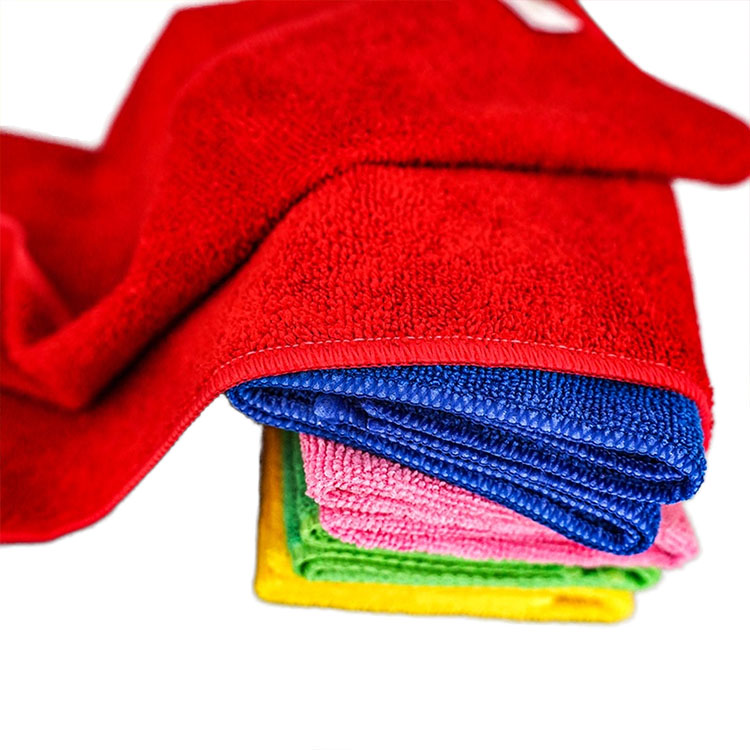
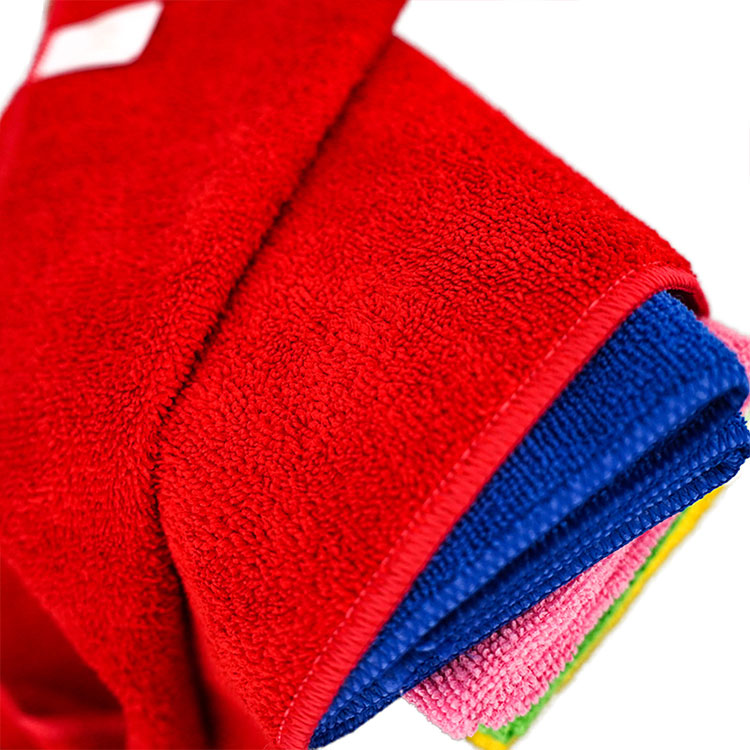
For drying, I’d rather spec a dedicated large-format twisted-loop piece in 900–1200 GSM, usually 50×80 cm or 60×90 cm, and keep it out of any chemical-heavy workflow. For polish removal, I want a controlled pile, usually 320–500 GSM, often edgeless, especially on dark paint and final wipes. For glass, I want tighter structure, not plush vanity, which is why a waffle format keeps showing up in serious shops. And for interior work, I want a towel I do not mind retiring faster. Not glamorous. Profitable.
Here’s the real-world operating range I use when I sanity-check a shop’s daily microfiber towel consumption:
Shop type
Cars per day
Towels per car
Daily microfiber towel use
My blunt read
Solo mobile detailer
2–4
8–10
20–40
Tight inventory, high reuse pressure
Small studio, 1 bay
4–6
7–10
30–60
Usually under-buys glass and interior towels
Mid-size shop, 2–3 bays
8–12
8–12
64–144
This is where systems start to matter
Correction/coating shop
4–8
15–25
60–200
Paint-safe segregation is everything
High-throughput mixed service shop
12–20
8–15
96–300
Laundry discipline makes or breaks margin
That table is not magic. It is operational math. If a shop has 3 technicians, each burns 25 to 40 towels in a day between wash support, interiors, glass, polish removal, coating, and final QC, you are already at 75 to 120. Add spares, contamination losses, dropped towels, and “this one feels grabby, toss it in the rag bin” behavior, and the number rises fast.
I’ll say something mildly unpopular too. Shops that brag about using fewer towels are often telling on themselves.
Because either they are running a beautifully controlled system with strict task separation and fast in-house laundering, which is rare, or they are cross-using towels in ways they should not admit to customers. Usually it’s the second one.
There’s another angle here, and it matters more now than it did five years ago. According to NOAA’s 2024 reporting on microplastics and microfibers on U.S. national park beaches, microfibers accounted for 97% of debris by count in the samples studied. That does not mean detail shops caused the problem by themselves, obviously, but it does mean treating microfiber like disposable confetti is a dumb habit with a larger cost. Wash discipline, retirement rules, and fewer bad-purchase cycles are not just procurement issues anymore.
And if a supplier pushes recycled claims, “eco” claims, or recycled-content talk without paperwork, I get suspicious fast. The FTC Green Guides exist because environmental marketing claims can mislead buyers, and in April 2024 Reuters reported on the ACCC’s case against Clorox Australia over ‘ocean plastic’ claims. So yes, if you are building a wholesale or private-label towel line, ask for GRS, REACH, Oeko-Tex, and whatever else you need before your sales copy gets cute.
So, if you want the hard-truth answer in one sentence, here it is: a serious detailing shop usually needs enough microfiber towels to support today’s work, tomorrow’s opening shift, and one laundry failure without panic.
That means your daily use number matters, but your par level matters more. If you use 100 towels per day, I do not want you owning 110. I want 250 to 400, depending on laundry frequency, contamination loss, and service mix. Why? Because inventory gaps create the exact bad habits that ruin results: cross-use, overwashed paint towels, and “just use this one” thinking.
FAQs
How many microfiber towels does a detailing shop use per day?
A detailing shop typically uses anywhere from 30 to 150 microfiber towels per day, depending on bay count, service mix, technician habits, towel segregation rules, and whether drying, interior, glass, polishing, and coating towels are separated properly instead of being dumped into one mixed operational pile.
In plain English, a small shop may sit near 40. A busier multi-bay shop can hit 120 before lunch. A correction-and-coating shop often uses fewer cars but more towels per car, which is why the daily count jumps even when the vehicle count does not.
How many microfiber towels should you keep in stock if your shop uses 100 per day?
A shop using 100 microfiber towels per day should usually keep 250 to 400 towels in active stock, because inventory has to cover the current day, one full replacement cycle, wash delays, contamination losses, and a buffer for task-specific segregation such as glass, paint, interior, wheels, and coating work.
I do not like razor-thin inventory. It makes people lazy. If laundry slips, or one batch gets contaminated with silicone dressing or heavy polish residue, that “lean” inventory model turns into service slop within hours.
What types of microfiber towels does a pro detailing shop actually need?
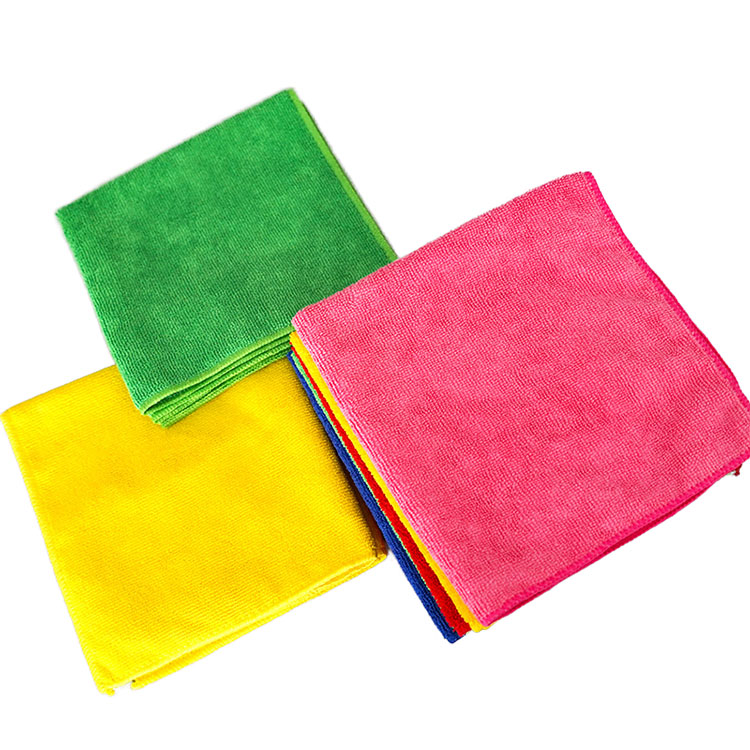
A professional detailing shop needs a segmented microfiber towel system that usually includes high-absorbency drying towels, edgeless polishing towels, glass towels, interior towels, coating towels, and low-priority utility towels, each separated by task, contamination risk, GSM range, weave type, and retirement schedule.
This is why the “all-purpose towel” fantasy keeps failing. Drying is not glass work. Glass is not compound removal. Compound removal is definitely not interior plastic cleanup. The shops that stop pretending otherwise look sharper and waste less.
What is the biggest mistake shops make with car detailing towel usage?
The biggest mistake in car detailing towel usage is treating all microfiber towels as interchangeable, which leads to cross-contamination, extra wiping passes, faster towel death, inconsistent finishing quality, and a false sense that purchasing cheaper towels is saving money when it is really shifting cost into labor and rework.
I have seen this a hundred times. The owner blames the towel supplier. The technician blames the chemical. The actual problem is that nobody built a towel map, nobody enforced it, and nobody retired stock before it turned sketchy.
Conclusion
If your shop is guessing, you are already overpaying.
Build the system backward from the task: drying first, polish removal second, glass third, interiors fourth, then lock the specs, colors, GSM bands, and reorder cadence. Start with the car care microfiber towels category, compare twisted loop drying towels against edgeless detailing towels, and if you are sourcing at scale, move straight into the custom microfiber towel program to stop buying random cartons that wreck consistency.
Microfiber towel manufacturer & factory for custom, OEM, and private label programs. Focused on repeatable B2B supply for USA & EU markets (plus selected Asian countries).