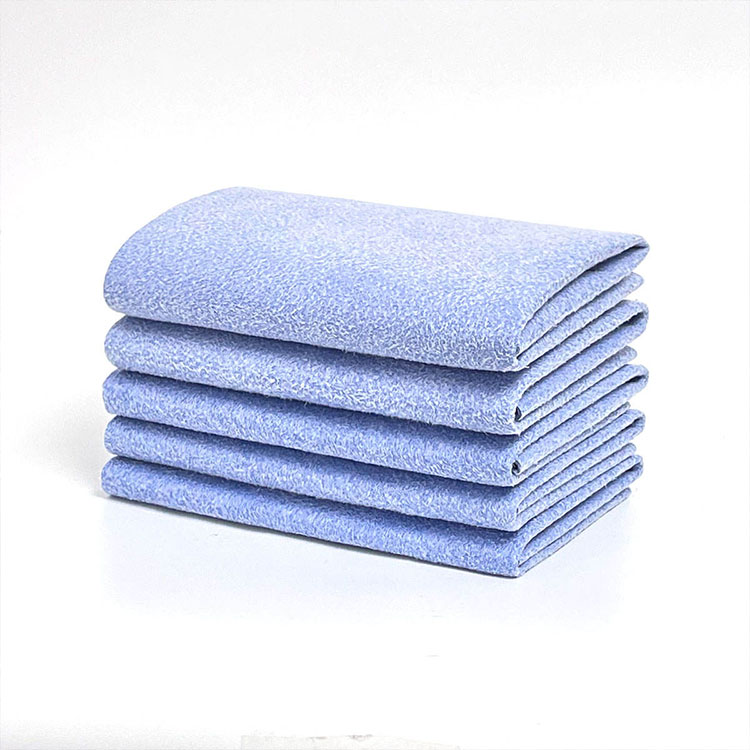
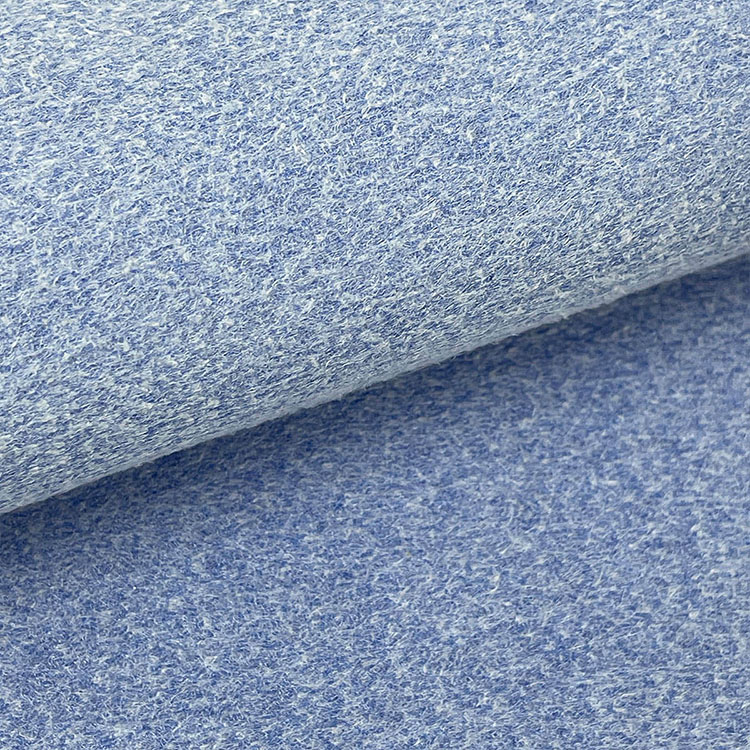
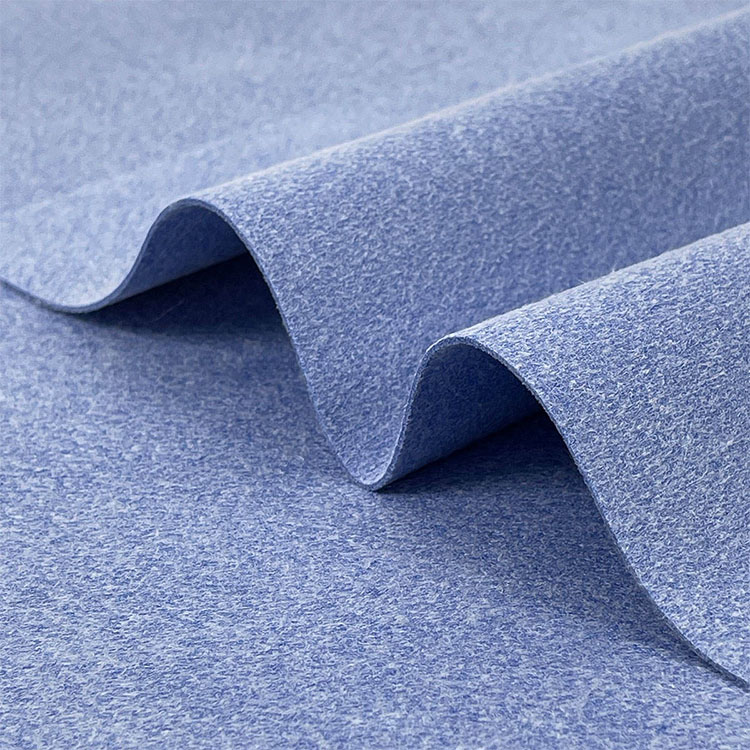
Most skincare brands under-spec the towel and overpay for the mistake later. Here’s how I’d choose microfiber face towels, build the right internal-link cluster, and avoid sloppy performance, origin, and sustainability claims.
I’ve watched beauty teams obsess over niacinamide percentages, carton finishes, and influencer seeding, then treat the towel as an afterthought, which is absurd because the towel is often the last physical contact in the cleansing ritual and one of the fastest ways to make a premium SKU feel cheap.
Why sabotage the touchpoint that literally touches the face?
And the money page is obvious. The facial microfiber towels for spa & salon page already speaks the buyer’s language—cleansing, mask removal, wipe-downs, OEM/ODM support, private label, custom packaging, multiple size and GSM options, and even optional antibacterial treatment with the right caveat. I wouldn’t hide that page in a generic product archive; I’d make it the commercial center of the entire skincare face towels cluster.
Here’s my hard truth. Most “best microfiber face towels for skincare” are not actually the best at anything; they are compromise products built by teams that never decided whether the towel is a backbar consumable, a retail add-on, a treatment-room tool, or a private label hero SKU.
So I would decide that first.
If I were sourcing custom face towels for beauty brands, I would start with one job only: facial cleansing towels for rinse-off removal and final wipe. Then I’d sample a short-pile or refined terry hand-feel, keep the edge construction tight, reject anything that drags on sensitized skin, and test for softness retention after repeated laundering. Not glamorous. Very profitable.
The site’s custom microfiber towels OEM page backs that approach better than most factory sites do, because it explicitly supports logo application, labels, hangtags, inserts, packaging-ready fulfillment, MOQ flexibility, and ISO 9001-aligned quality control for repeat orders. For a skincare brand, that matters more than a pretty mockup, because reorder stability is what keeps a “small accessory” from turning into a support-ticket factory.
And if the brand has any salon, scalp, or spa crossover, I’d use internal links aggressively. A buyer reading about microfiber towels for face can move naturally into hair drying microfiber towels when the assortment broadens, while terry microfiber towels gives you a material-level branch for shoppers comparing hand-feel rather than end use. That is not filler linking. That is intent matching.
The spec sheet I’d actually buy
I don’t buy romance. I buy repeatability.
For wholesale microfiber face towels, I’d rather see a boring, disciplined spec sheet than breathless copy about “spa luxury.” Give me the fiber split, the GSM target, the edge finish, the wash protocol, the packaging format, and the defect tolerance. Then we can talk branding.
Decision point
My default starting point
Why I’d start there
What makes me walk away
Primary use
Cleansing + mask removal
One towel, one job, cleaner testing
“Multi-use for everything” with no protocol
Fabric feel
Soft short pile or refined terry
Better control, less cheap drag
Overly fluffy pile that pills fast
Weight
Mid-range GSM sample set
Easier to compare absorption vs bulk
One blind GSM offer with no alternatives
Color strategy
White first, then brand colors
White exposes staining, quality, and wash issues fast
Dark color sold as “premium” before testing colorfastness
Wash test, hand-feel test, lint check, reorder test
Prevents first-order optimism
“Looks good in sample photos”
The biggest mistake I see is false economy. Brands buy cheap microfiber towels for face, congratulate themselves for saving $0.18 a unit, then bleed margin through complaints about stiffness, edge failure, odd odor after washing, ugly packaging, and a product page that never quite converts because the textile simply does not look premium in the customer’s bathroom.
Evidence that the smart buyers are already paying attention
This part matters.
A 2024 PubMed-indexed study on microfiber release during household washing found washing was the most significant release pathway studied for synthetic textiles, and in that test setup recycled polyester shed more fibers than virgin polyester, 1,193 versus 908, while the highest-shedding woven acrylic sample reached 2,405 fibers at a 40 °C wash condition. Separately, Columbia researchers said laundry effluent is a leading source of microplastic fibers in waterways. I’m not saying microfiber face towels are dead. I’m saying skincare brands should stop writing lazy eco copy before they understand what the textile does in the wash.
And regulation is not moving in a soft, forgiving direction. The EU’s microplastics restriction took effect on 17 October 2023, with transition dates that start hitting rinse-off beauty-adjacent products in 2027 and leave-on products in 2029, while California’s Responsible Textile Recovery Act of 2024 was approved on September 28, 2024 and requires textile producers to join a producer responsibility organization, with regulations no earlier than July 1, 2028. Your towel may not be the first domino. But it is absolutely in the same compliance conversation now.
Then there’s the disposal problem nobody wants on the hero banner. Reuters reported in 2024 that Europe and the U.S. throw out about 22 million tonnes of textiles each year and only about 1% is recycled into new fiber. That statistic should kill the lazy habit of calling a towel line “sustainable” because one carton panel is kraft brown. I’ve seen too many brands try that trick. Serious buyers are done with it. (Reuters)
And don’t get cute with origin claims. In November 2024, the FTC said it was sending more than $140,000 to 4,061 consumers after taking action over false “Made in USA” claims by clothing accessories companies in 2023. Different category, same lesson: if your private label packaging implies an origin story you cannot document, you are not being clever. You are building future paperwork.
What I would do if this were my skincare brand
I’d keep the article commercial, not cute.
I’d center the buyer journey on facial microfiber towels for spa & salon, because that page already maps to skincare face towels and facial cleansing towels. I’d send broader category traffic to bath & beauty microfiber towels. I’d route spec-heavy buyers to custom microfiber towels OEM. And I’d reserve custom packaging sets for buyers who are already comparing retail presentation, gifting, or DTC bundle economics. That internal flow matches informational, commercial, and transactional intent without forcing one page to do every job badly.
That is the real insider answer. Not more adjectives. Better sequencing.
FAQs
What are microfiber face towels for skincare brands?
Microfiber face towels for skincare brands are reusable polyester-polyamide textiles specified for facial cleansing, product removal, and treatment-room hygiene, then adapted for private-label sale through controlled GSM, pile type, edge finish, colorfastness, wash durability, and packaging so the towel works as both an operational tool and a branded product.
In plain English, these are not random skincare accessories. They are skincare face towels designed to support either esthetician workflow, retail bundles, or both. When brands fail, they usually fail at positioning: they never decide whether the towel is a tool, a merch item, or a premium add-on.
Are microfiber face towels better than cotton for skincare brands?
Microfiber face towels are usually better for skincare brands when the job is fast water pickup, lower bulk, quick dry-back, and cleaner private-label presentation, while cotton still wins for brands that value natural-fiber storytelling, bleach-tolerant laundry habits, or a hand-feel that customers instantly recognize from traditional esthetics rooms.
I lean microfiber for performance-first programs, especially where repeat laundering, compact packaging, and modern brand presentation matter. But I would never pretend the answer is universal. Some brands still sell better with cotton because the customer wants “natural” more than she wants dry-back speed.
How to choose microfiber face towels for skincare brands?
The best way to choose microfiber face towels for skincare brands is to match fiber blend, GSM, pile height, edge construction, packaging format, and claims language to one exact use case first—cleansing, mask removal, retail gifting, or treatment-room replenishment—then test wash durability, softness retention, and reorder consistency before scaling.
That is how to choose microfiber face towels for skincare brands without buying the wrong sample for the wrong job. I’d test at least three spec tiers, reject anything with weak edge finishing, and separate retail packaging decisions from core operational performance.
Can skincare brands make antimicrobial or sustainable claims on microfiber face towels?
Antimicrobial or sustainable claims on microfiber face towels are marketing claims that need real substantiation, narrow wording, and country-specific review, because broad public-health promises, loose eco language, or sloppy origin statements can create legal exposure much faster than most private-label skincare buyers expect.
My rule is blunt: say less, prove more. The EU has already tightened microplastics rules in beauty-adjacent categories, California has moved textiles into producer responsibility, and the FTC has shown it will act on deceptive origin claims. That should be enough to end lazy packaging copy.
If you want the smart version of this category, build one hero SKU first: a genuinely soft, retail-ready microfiber face towel with disciplined specs, honest claims, and packaging that looks like it belongs beside a premium cleanser instead of inside a trade-show freebie bin. Then route buyers from bath & beauty microfiber towels to facial microfiber towels for spa & salon and finish the sale through custom microfiber towels OEM. That is how I’d build the cluster, and honestly, that is how I’d build the business.
Microfiber towel manufacturer & factory for custom, OEM, and private label programs. Focused on repeatable B2B supply for USA & EU markets (plus selected Asian countries).